The Dream and Reality of Wudang

What I Wish Someone Had Told Me

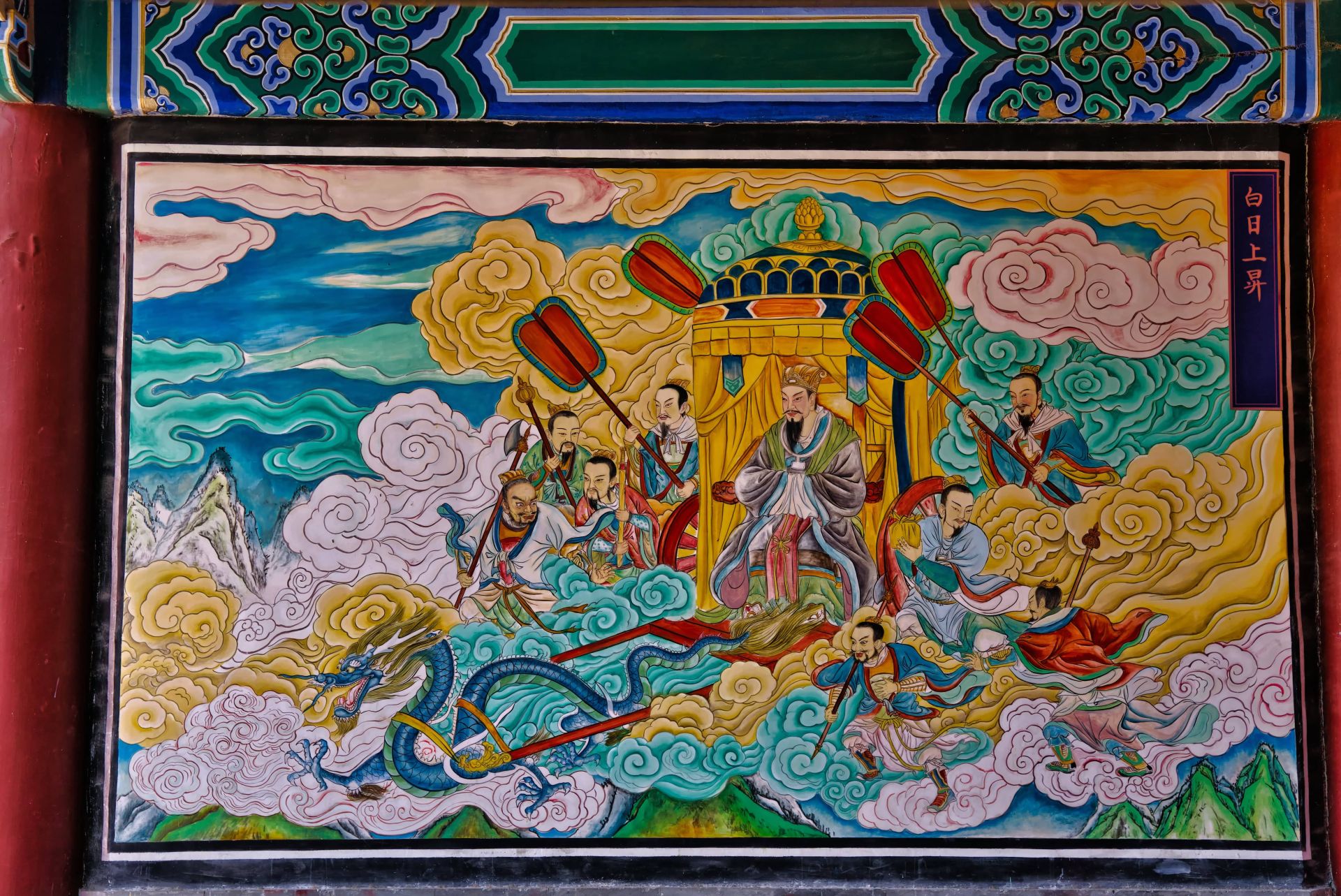
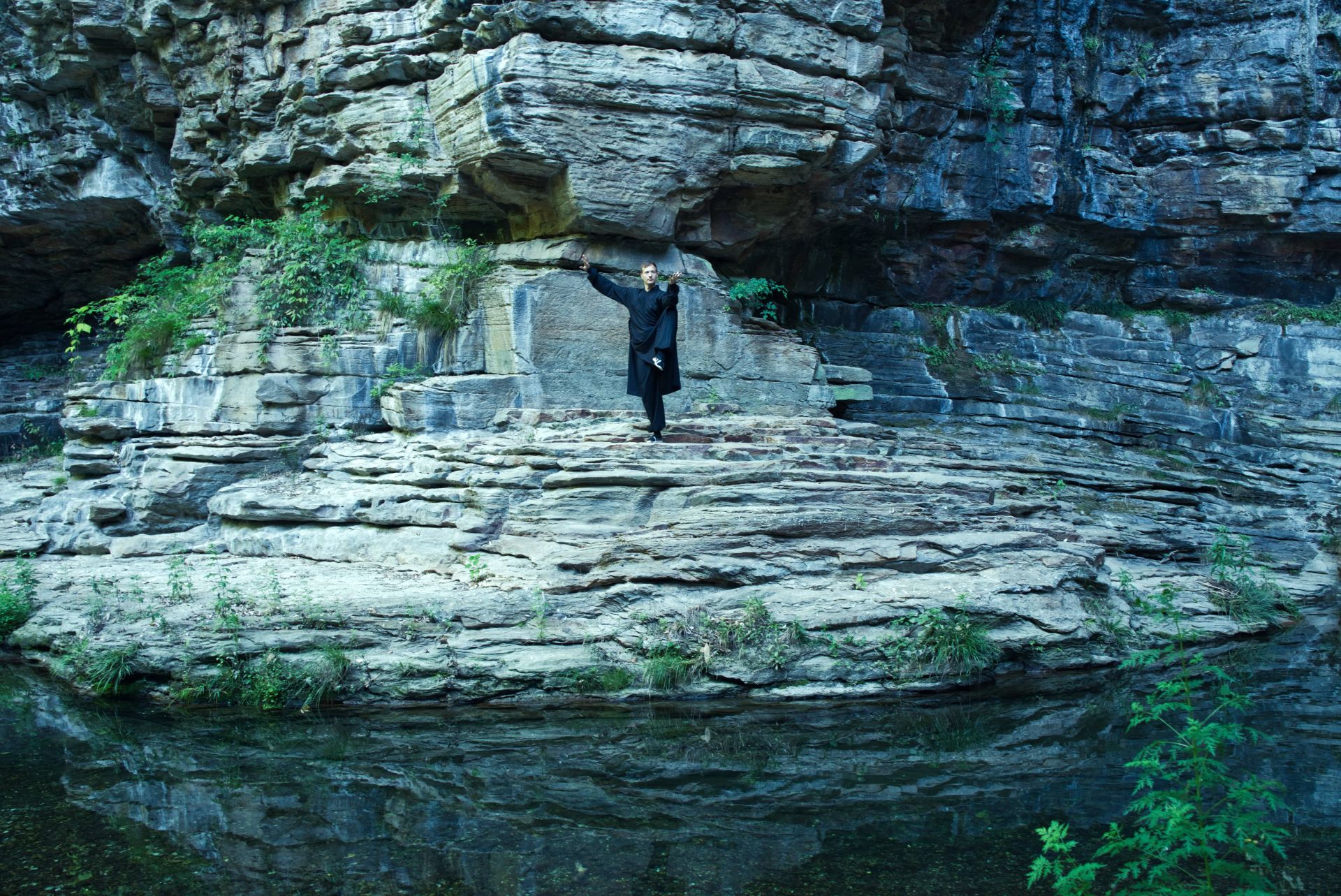
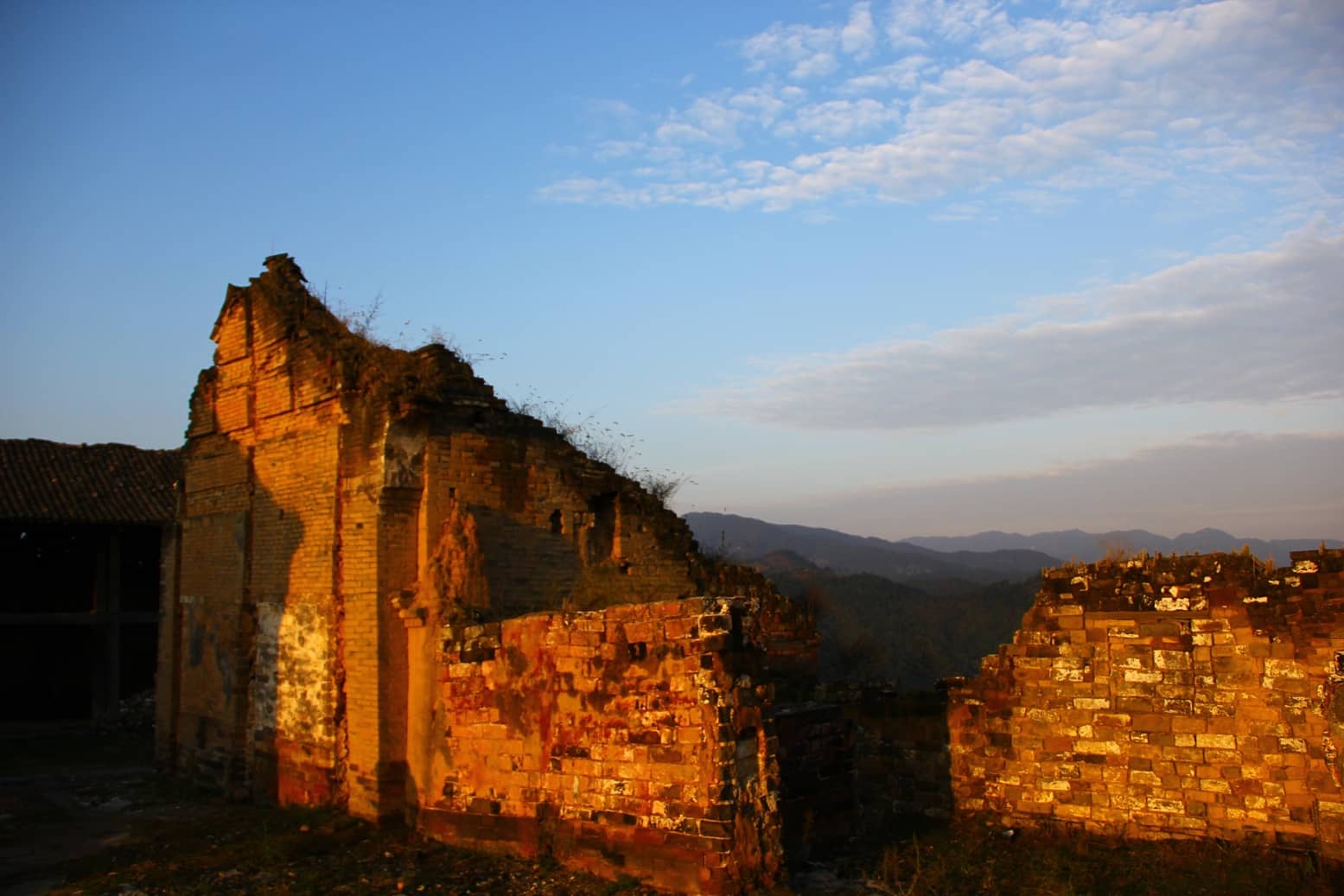
The mist rises from the mountains before dawn. Incense and pine in the air. A gong sounds somewhere in the distance. This is the Wudang people imagine—the one that pulled me there over a decade ago, the one that still pulls thousands of seekers every year.

I need to tell you what I actually found. Not to stop you from going, but because you deserve the truth before you buy that ticket.

Why I Went

I was looking for something I couldn't name. My body already knew martial arts—Wing Chun, Karate, Pencak Silat, Muay Thai, Hap Ki Do. I knew weapons. But something was missing that pure technique couldn't fill. All that fighting, all that aggression—it was creating more of the same in my life. I needed something else. When I found out about Wudang and the Sanfeng tradition, things clicked. The internal work, the philosophy, the idea of wisdom passed through generations—this felt like what I'd been circling my whole martial life. So I saved money from two jobs and went.

What Nobody Tells You

Wudang Mountain gets over 100,000 international tourists every year. More than 5,000 foreign students come specifically for martial arts training at about twenty different schools. Just the entrance ticket costs around $35—before you've learned a single thing.

Monthly tuition runs between $700 and $2,000 depending on the school. A five-year program? You're looking at $60,000 to $100,000 when you add up accommodation, visa renewals, equipment, food, flights, everything.
I'm not saying teachers shouldn't earn money. Schools have bills. But there's a big difference between fair pay and an industry built on selling "authenticity" to wealthy Westerners who don't know better.
Here's what nobody mentions: foreign students pay way more than Chinese students for the exact same training. This goes for tuition, housing, ceremonies, equipment—everything. Schools make you live on-site in "hotel-style" rooms with basic stuff at premium prices. This keeps you captive for all the extra "optional" classes they'll try to sell you, and stops you from finding cheaper options nearby.

The History They Don't Advertise

Something bothered me as I learned more: most of what's taught as Wudang martial arts today was put together after the 1980s.

During China's Cultural Revolution, traditional practices got crushed. Masters taught in secret at night, if they taught at all. There were no martial arts schools on the mountain. When Deng Xiaoping opened things up, people tried to rebuild what was lost—or maybe build something new from whatever pieces they could find.
In 1985, Zhong Yunlong traveled across China with introduction letters, spending years collecting scattered knowledge from displaced masters. The Wudang Martial Arts Taoist Association got officially started in 1989. UNESCO made Wudang a World Heritage Site in 1994—and that's when the tourism money really started flowing.
None of this makes the practices fake. But when schools claim unbroken lineages going back to Zhang Sanfeng—a legendary figure who may never have existed as described—they're selling a story, not history.
The first text linking Zhang Sanfeng to martial arts shows up in 1669, hundreds of years after he supposedly lived. The word "Taijiquan" doesn't appear in any dated document until 1912. What's sold as ancient might only be a few decades old.
Does this matter? I think honesty matters. I think you should know what you're actually paying for.

My Training: The Real Program

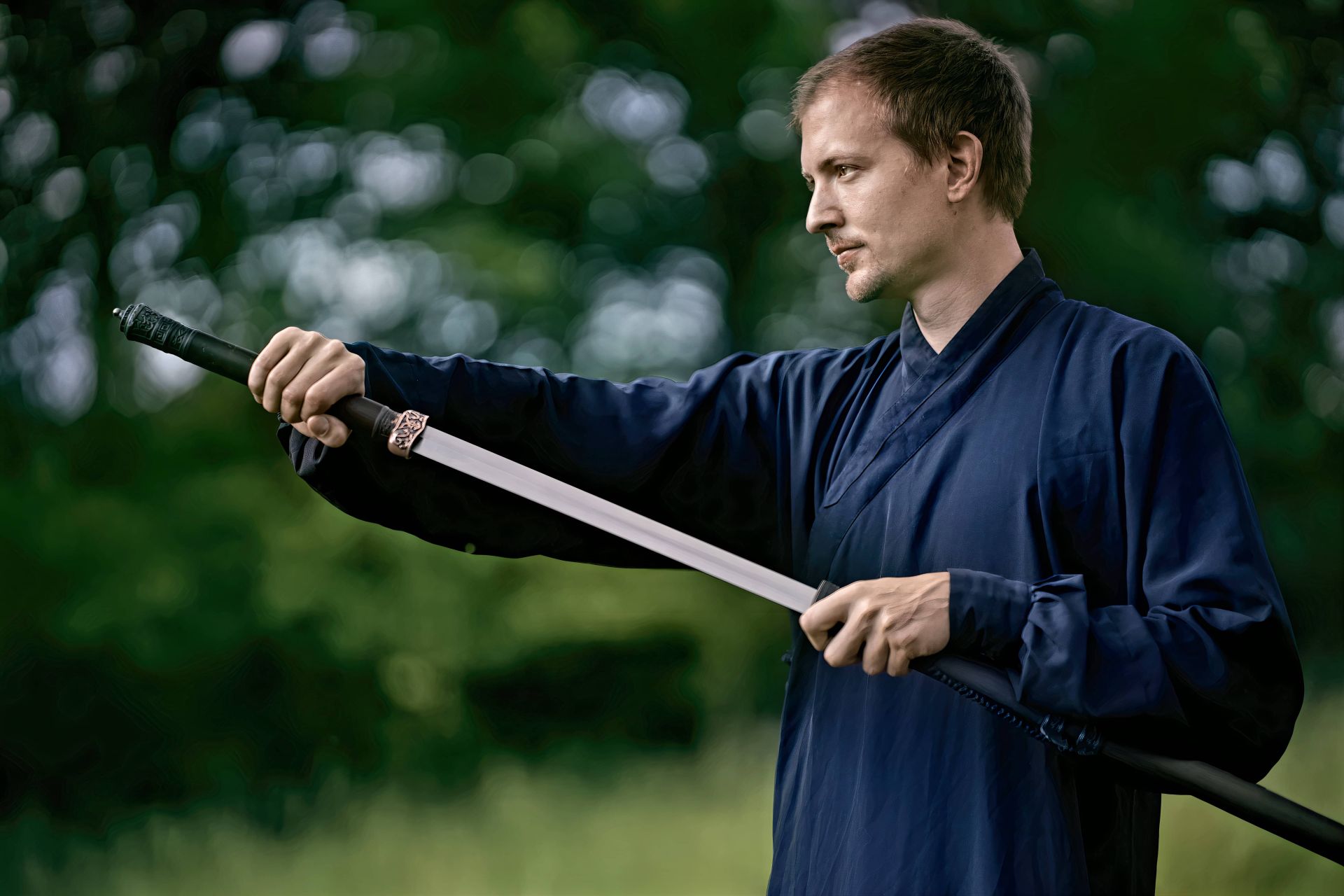
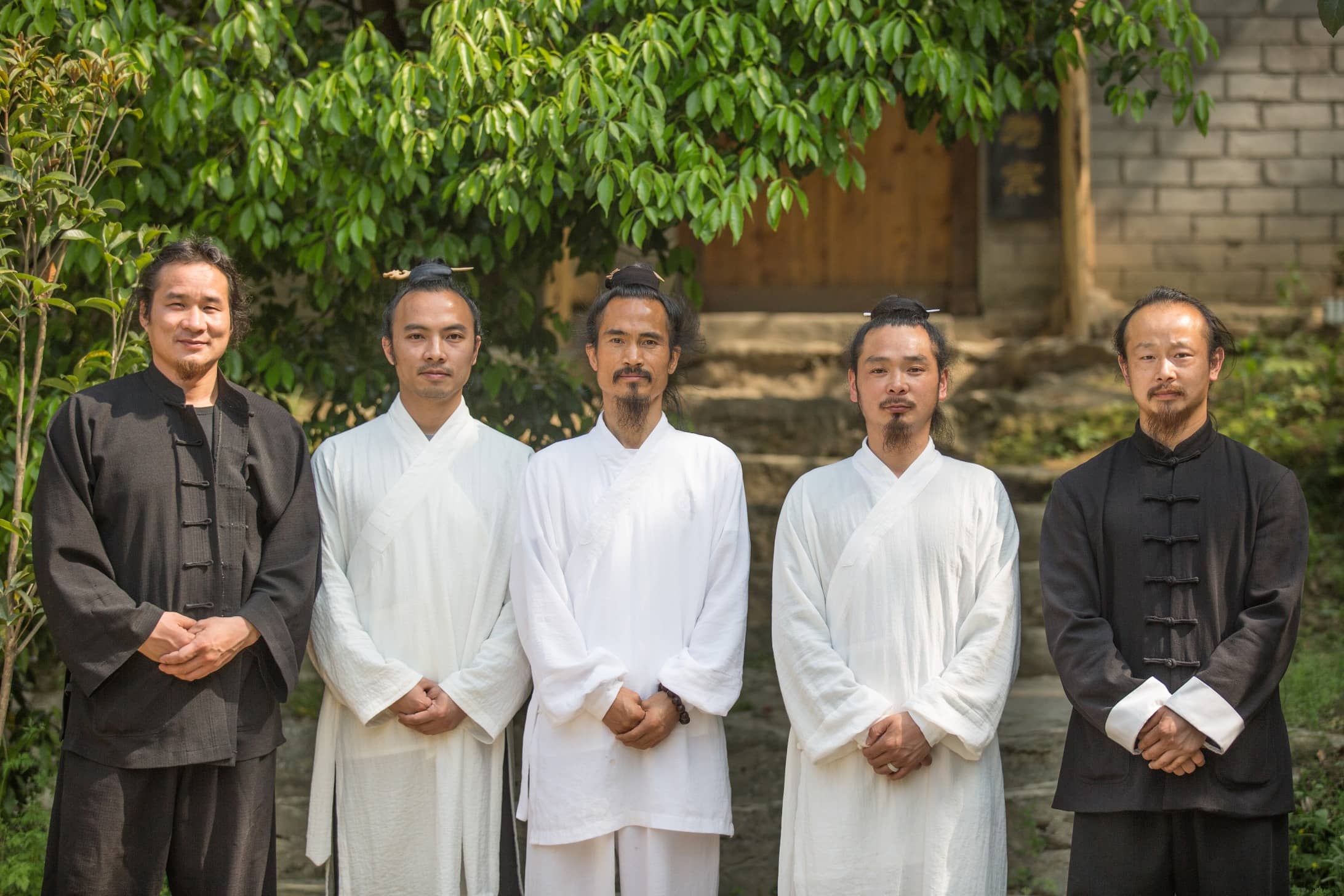
I spent three years training under Master Yuan Xiu Gang and Master Chen Shiyu at the Wudang Sanfeng Taoist Academy.

Here's what most people don't know: I was the only foreigner in over 12 years to finish the actual traditional program.
Lots of foreigners say they completed "traditional training." They didn't. They went through separate classes made for Westerners—softer programs, modified to keep paying customers happy.
I trained with the Chinese children in the real class. It was strict. It was demanding. If I couldn't finish something, I got hit. That's the old way. It's what produces real skill. But it's completely different from what foreign students paying top dollar usually get.
My brain works differently. At 38, I got diagnosed with Autism Spectrum Disorder, Level 1—what used to be called Asperger's. I have hyperperformant autism with very low coherence. I struggle to see big pictures, but I can focus on tiny details like nobody else.
In martial arts, this became my strength. My hyperfocus let me master complex movements with precision. The structure of training gave my mind exactly what it needed. My therapist told me I intuitively picked the perfect path—martial arts was my self-therapy before I knew I needed it.
I can't lie. My brain just doesn't do it. When emotions hit hard, words fail me. But my body speaks through the forms. I mastered all 35 forms of the Sanfeng line. I became ambidextrous—able to fight equally well with either hand.
I earned my Daoist name: 魏懋资济—Wèi Mào Zī Jì. I became a 16th generation lineage holder.
Then I became useful in a different way.

Becoming a Product

Western students are gold for Wudang schools. We pay several times what Chinese students pay. We prove that ancient Chinese wisdom has global appeal. We become marketing material.

I became a money-making machine.
My skills, my dedication, my story—all of it turned into promotion. The system needed Western success stories, and I'd become one. I taught international students at the school. I was a Taoist who'd actually finished the real program—that made me rare, that made me valuable.
What did I get back?
Enough to cover my bills. Barely.
This is how it works at Wudang. Foreign students bring in big money. The coaches and instructors who actually teach? They get almost nothing in cash. Room and board, training, the honor of being part of a lineage—that's the payment. The traditional master-disciple relationship makes this feel legitimate. Maybe it is. But the dependency is real.
I don't say this bitterly. I learned real things. The transmission was genuine. The knowledge I carry is authentic. But you need to see the full picture before making your own choice.

Why Chinese Masters Often Hold Back

There's something else people don't understand about training in China.

For most Chinese masters, the motivation is money. That's just the reality. Taking the time and energy to actually pass on their cultural secrets to foreigners? That's not what they signed up for.
Think about it from their side. These teachings had to be kept secret before. For generations. Revealing them openly feels strange, maybe even wrong. It goes against everything they were taught about how transmission works.
Traditional training wasn't designed for tourists on three-month programs. It was built around decades of loyalty to your master. You proved yourself over years before receiving real teachings. You served. You waited. You earned trust slowly.
Now foreigners show up with money, expecting to buy in a few months what used to take a lifetime to earn. Can you blame the masters for treating this as a business transaction? If someone's just passing through anyway, why invest real energy in them?
The system creates a strange situation. Masters get paid to teach people they know won't stay. Students pay for "authentic transmission" from teachers who have little reason to give it. Everyone plays their role. The money flows. Real depth stays hidden.
Some masters are different. Some genuinely want to share. But the economic structure doesn't reward that—it rewards volume, quick certifications, happy customers who'll recommend the school to friends.

Good Old Times

Write your awesome label here.

This is one of the oldest recordings I have of a foreigner class. It shows Master Chen Shiyu's old school back when Western students were still rare — mostly Chinese people came to train. This video was taken long before Wudang's crazy expansion. Back then, you could still walk up for free. Today, every entry costs 35 USD. And nowadays, you mostly see big schools that are fully built out with Western toilets and hotel-style rooms.

Buying Certificates

The certification game might be the most cynical part.

Schools advertise that students get "certificates of achievement" after finishing courses. Nice calligraphy, red stamps, looks great on your wall. Outside Wudang's tourist economy? These papers mean almost nothing.
Worse is the "discipleship" for sale. Pay extra money, do a ceremony, and you can "worship the Grandmaster as a teacher and become an authentic Wudang Kung Fu disciple." What used to require years of devoted service now has a price tag.
A real Taoist name isn't something you buy. Tradition says the first character comes from your grandmaster's name, the second from your master's name. The last two characters are chosen by your master to represent your path or nature. When you hear someone's Taoist name, you know their lineage, their grandmaster, their teacher.
A name like that means you've actually learned the teachings deeply enough to represent them. It means you've made this your life's work.
That's different from a certificate after a few weeks of training.

What Actually Works

Let me be clear: Wudang isn't worthless. The practices work. The philosophy has depth. Internal martial arts genuinely change your body and mind when you practice sincerely over time.

Science backs up some of it. Taiji improves balance and reduces falls, especially in older people. People with chronic conditions show real improvements. Researchers are starting to explain these benefits through things they can measure—better body awareness, nervous system changes, reduced inflammation.
But the marketing goes way beyond reality.
Most schools in Wudang today are tourist attractions, not places for serious training. The mountain that once had secret midnight teaching sessions now has tour buses, cable cars, souvenir shops, and people taking photos for social media. They even filmed "The Karate Kid" with Jackie Chan there.
Western students training at Wudang often find the instruction easier than what they'd get back home. Schools compete on amenities, not martial quality. Some schools were opened by teachers from completely different mountains, operating next to actual Wudang lineages. Good luck telling the difference.
No central authority checks teaching standards. Quality is all over the place. It's a mess.

Should You Still Go?

I'm not saying stay home. I'm saying go with your eyes open.

If you want the mountain experience—the mist, the temples, practicing where others have practiced—that has value. Just know what you're paying for and what you'll actually receive.
If you want real traditional training, understand it's harder to find than the websites suggest. Ask hard questions. Be skeptical of claims. Know that "traditional program" usually means "modified Western program" when they're talking to foreign students.
If you want to learn internal martial arts, understand that real skill takes years of dedicated work—not weeks of expensive seminars. The knowledge exists. But gongfu can't be bought. You can only earn it through time and effort.
The internal path and the martial path share the same work—stillness and movement, body and mind, practice and patience. If you seek what's authentic, sincere practice might be enough.
Nobody starts as a master. Many rivers flow before returning to the source.

What I Built Instead

I came back to Vienna in 2015 and opened Wudang Academy.

For 12 years, I ran my own school there. Individual coaching, helping students get the details right. I charged €85 per month for local classes—not thousands. That school is closed now. The chapter ended, but teaching continues differently.
What I'm proud of: I built the biggest video library for Wudang Internal Arts online. Today, Wudang Academy is an online platform where anyone can learn for €18.99 per month. That's less than one hour of private instruction most places. I still teach in-person classes in Styria and Vienna sometimes, and travel for workshops when it makes sense.

Why I Keep Doing This

My motivation is simple: I want to pass on these teachings without the political caviar.

What does that mean? The mythology layers. The inflated lineage claims. The mystical packaging that justifies high prices. The nationalism that turned a rebuilt tradition into proof of ancient Chinese greatness. The marketing that sells enlightenment like a product.
The practices themselves work. The body mechanics are real. The breathing changes things. The philosophy offers genuine insight into living. None of that needs a seven-foot-tall immortal who probably never existed. None of that needs certificates with red stamps or ceremonies you can buy.
I can't lie—my brain literally doesn't do it. Words fail me when emotions run deep, but deception isn't possible for me. This makes me bad at marketing. Maybe it makes me a trustworthy teacher.
I want people to know what actually works and why. I want to strip away the mystification without losing the depth. There's a difference between mystery and mystification. Mystery is the real unknown at the edge of what humans understand. Mystification is deliberate confusion meant to keep power or extract money.
Internal arts have real mystery—questions about consciousness, about body and mind, about what it means to develop yourself over a lifetime. That's enough. We don't need made-up history piled on top.
Tradition matters to me. I give everything to students who show real commitment. But tradition doesn't mean swallowing everything without question. It means carrying forward what's valuable while being honest about what we actually know.
Struggle shaped my life. Fighting and living became the same thing for me. We show we're alive by never giving up.
People who need a saint are looking for permission to feel holy themselves.
We understand so little, but we want to know everything. When we search with heart and awareness instead of ego and mind, we see what was hidden. Often knowing what's essential is enough.

Honest Questions

The way Wudang turned into a tourism business shows bigger problems with how we treat cultural traditions today. Some questions don't have easy answers:

Can ancient wisdom really pass through cash transactions? Who should make money from cultural heritage? What do travelers owe in these exchanges?
I don't have all the answers. But I know honesty serves everyone better than marketing dreams.
The practices—when learned with sincerity and practiced with dedication—really do transform people. The question is whether all this commercial machinery helps that happen or gets in the way.
One school admitted they "advertise as Wudang kung fu academy only to draw attention" while actually being committed to real practice. At least they're honest.
Self-cultivation is lifelong work. Yours starts wherever you are, with whatever teacher you find, practiced with whatever sincerity you bring.
The mountain is beautiful. The mist is real. The traditions—however recently rebuilt—hold genuine wisdom.
Just know what you're getting into.