
I need to tell you about something that most people romanticize but would never actually want to experience. When people ask me about "authentic traditional training," they picture themselves in flowing robes, learning secret techniques from a wizened master on a misty mountain. They don't picture what it actually meant. They don't picture standing in horse stance until their legs gave out. Not for five minutes. Not for an hour. For three hours. Every single day. For years.
The Reality Nobody Talks About
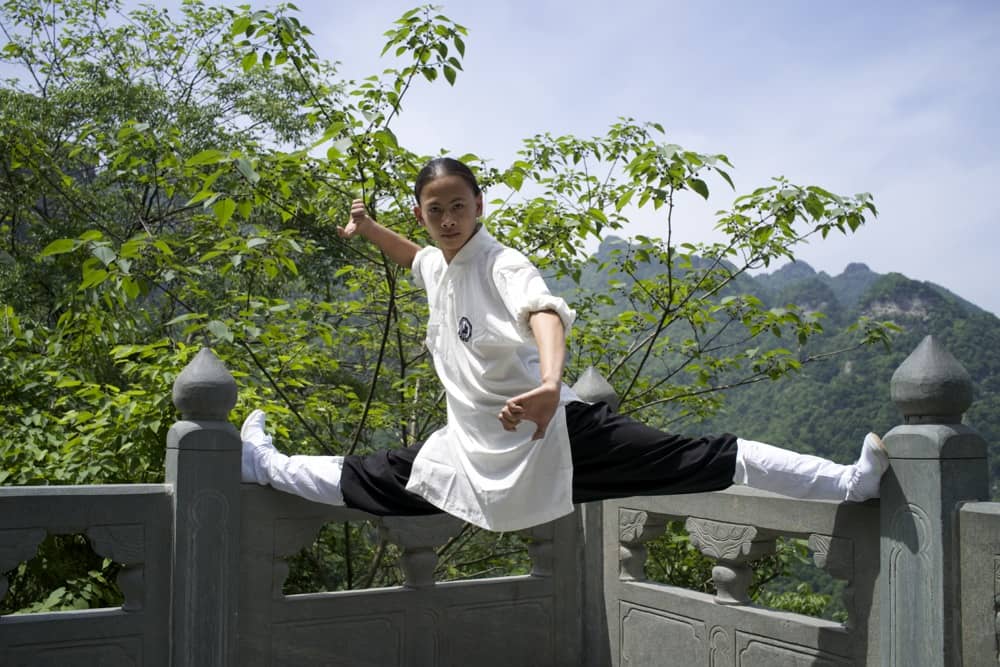
Let me be clear: I'm not advocating for these methods. I'm documenting them. Because when students tell me they want "real traditional training," they need to understand what that phrase historically meant.
Years of Nothing

Here's what people don't understand about the traditional system: you could train for a decade before learning anything you'd recognize as "martial arts."
The Cage and the Cave
Some Daoist masters used an even harsher method: confinement.
The Daoist Path of Suffering
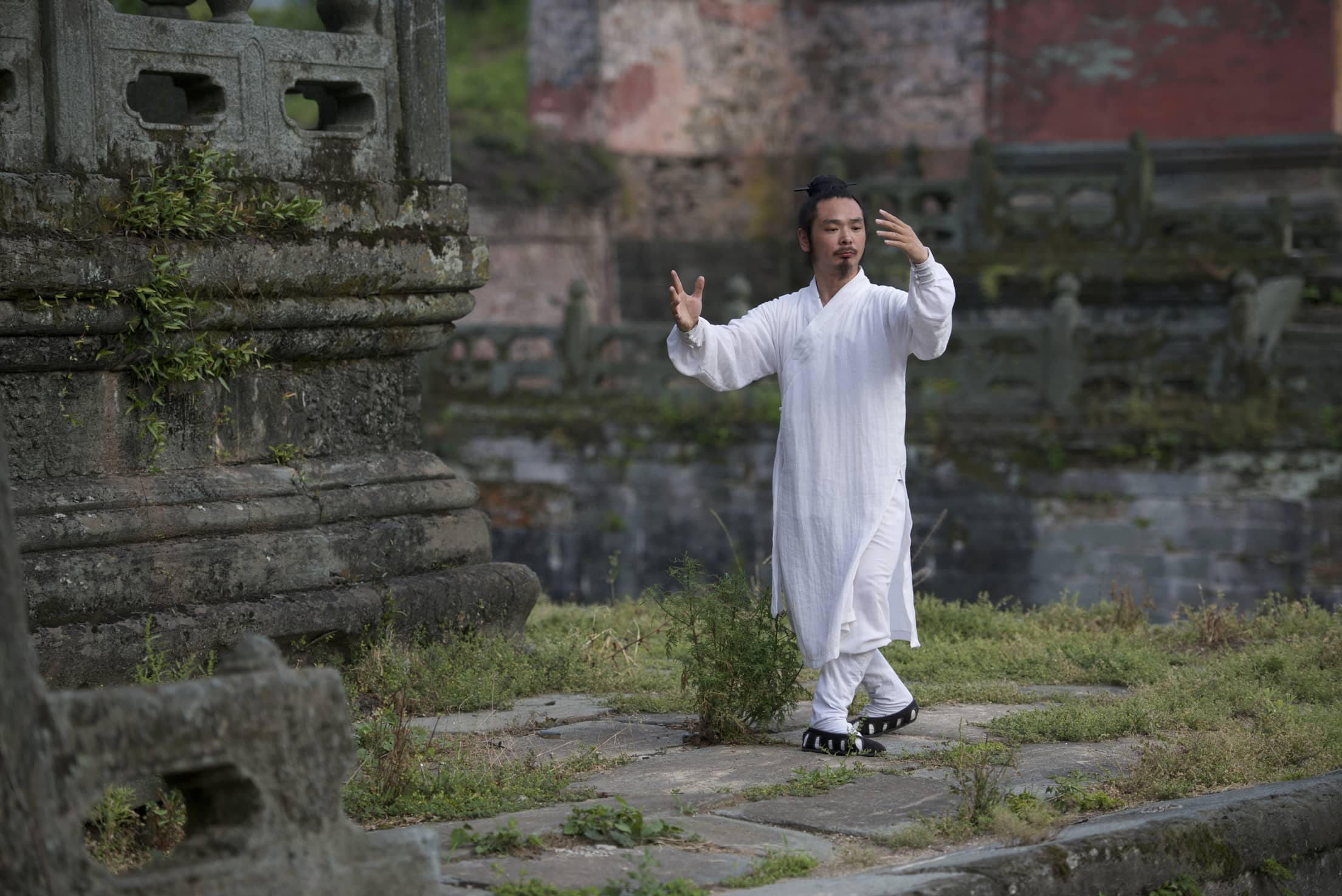
The Daoist approach to traditional training went beyond physical conditioning. They called it "severe asceticism" - practices that deliberately rejected basic human needs.
Xinzhai - "heart-mind fasting" - was a meditation practice where you learned to forget you had a body. First you'd fast for five days. No thoughts of right or wrong. Then seven days. Your mind becomes so still you forget you have limbs, forget you have form. The ruler doesn't exist. The court doesn't exist. Only the Dao remains.
The Tests That Broke People
The bai shi ceremony itself was grueling.
What Modern Training Actually Looks Like
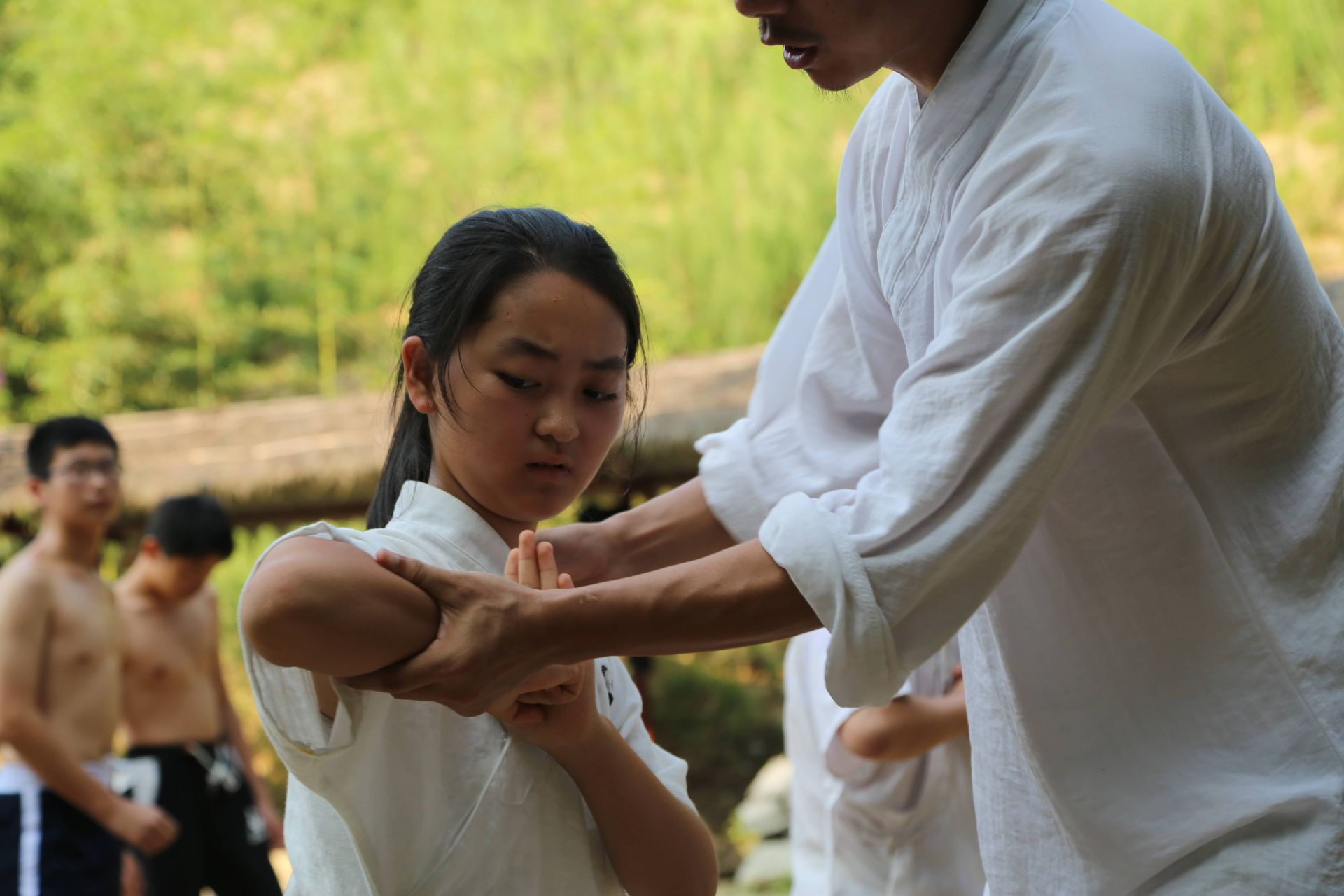
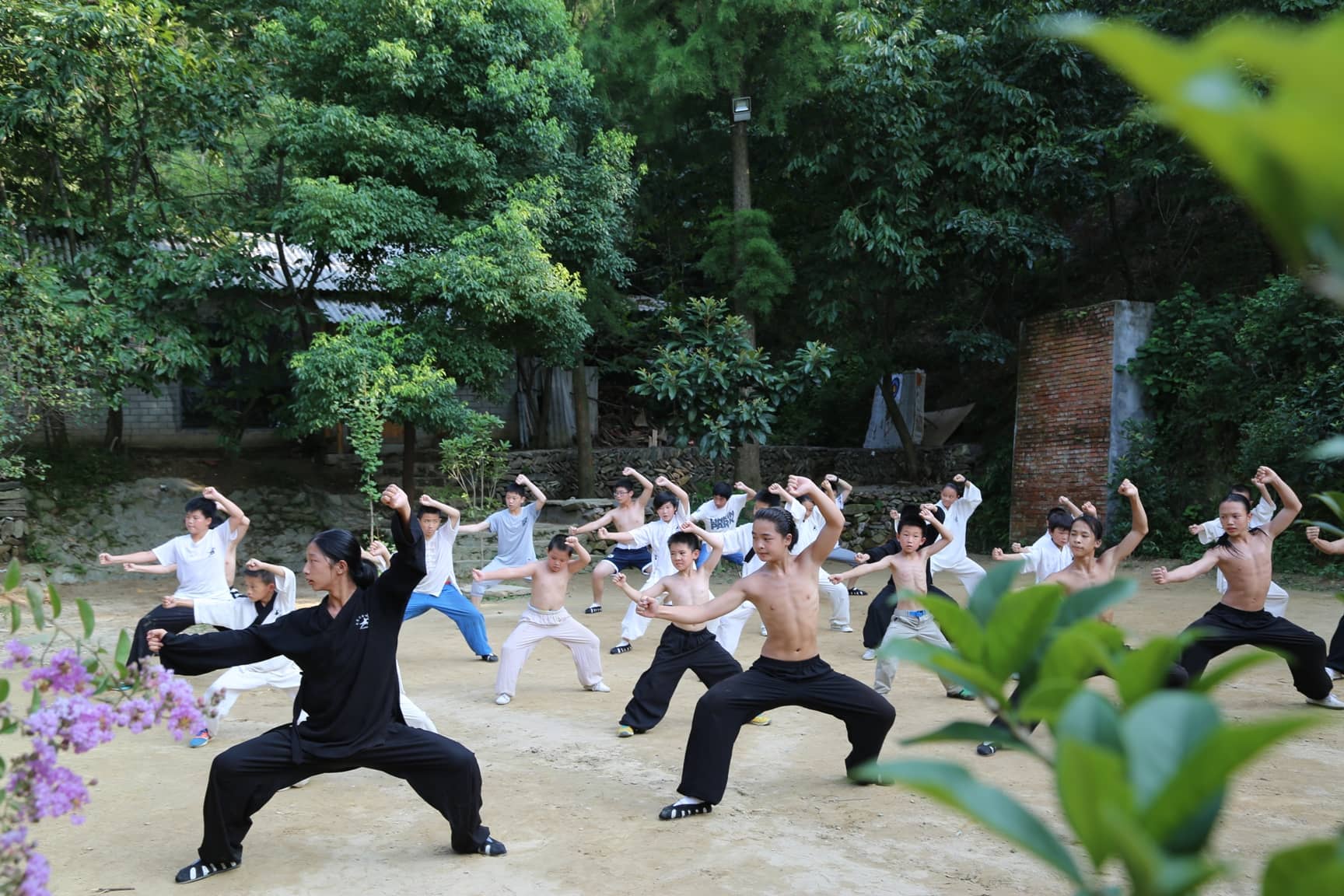
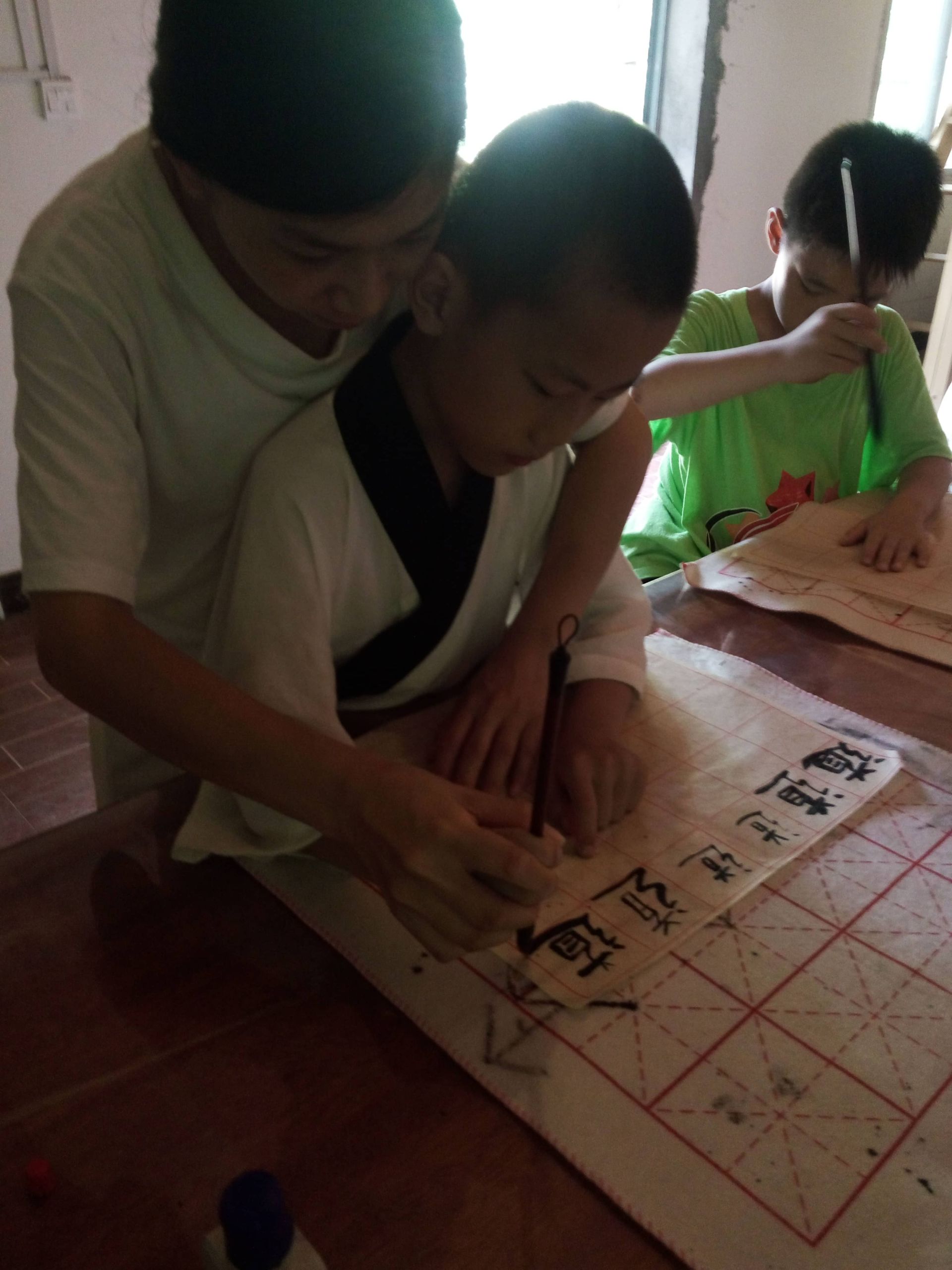
Now let me tell you about modern training at Wudang School. Students wake at 5:00 AM. They do morning qigong from 5:15-5:30. Morning kung fu practice from 5:35-6:30. Daoist lessons. Meals. School affairs. Afternoon practice. Evening lessons. Lights out around 9 PM. It's structured. It's organized. There's a clear curriculum. You can learn the basics in 1-3 months. You'll know actual forms. You'll have techniques you can practice.Is it hard work? Absolutely. Students train 6-8 hours daily. But compare that to standing in horse stance alone for three hours. Compare that to twelve years of sweeping floors before learning your first form.The modern system is designed to teach you martial arts. The traditional system was designed to break you so that only the unbreakable remained.
The Difference War Makes
I trained Pencak Silat in Vietnam. In Hanoi, with a former military instructor named Thang Phong.
Why the Old Way Died
People ask me: "If the traditional method produced such incredible masters, why did it change?"
What We Actually Lost
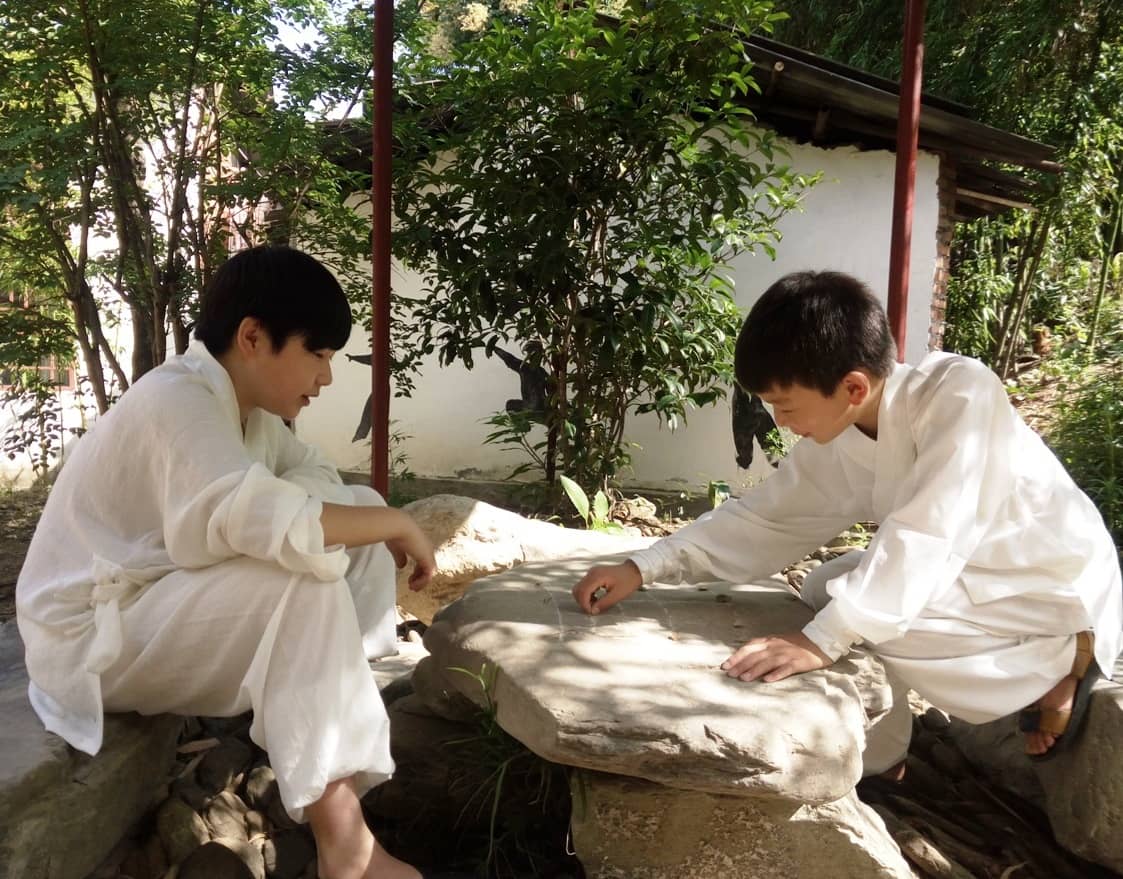
But here's what troubles me: we lost something real in the transition.
The Balance We Need
I don't think we should return to the old methods. Locking students in cages doesn't make them better fighters. Standing in horse stance for three hours doesn't teach practical self-defense faster than modern training methods. But I think we've swung too far the other way. We've made martial arts too comfortable. Too accessible. Too quick.Students want results in months. They want techniques without fundamentals. They want the destination without the journey. Traditional training took decades and broke most students. Modern training produces skilled practitioners quickly but doesn't forge character the same way. What we need is somewhere in between: Training that's effective but demanding. Accessible but not easy. Fast enough to keep modern students engaged but slow enough to build real depth. Because the greatest lesson from traditional training wasn't the techniques. It was learning that you're capable of far more than you think when you're willing to persist through discomfort.
What This Means for You
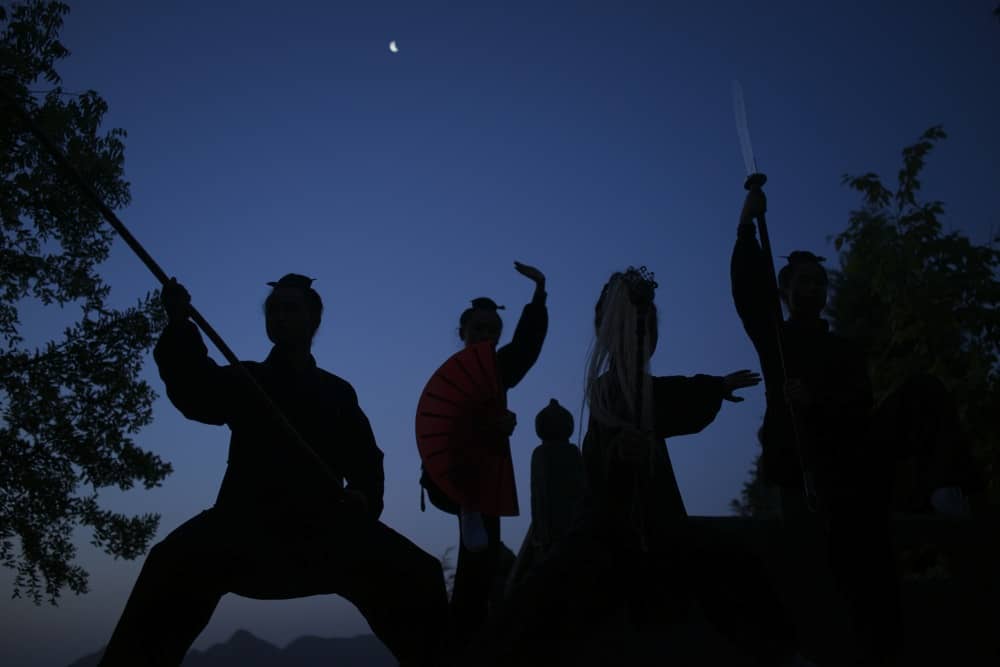
If you're training now, understand this: You have access to knowledge that students in the past would have killed for. You can learn in months what once took years.
Latest from my blog